
Buildertrend covers a large part of a construction business, from sales and estimates through project delivery and financial workflows. Such a breadth is valuable when the team wants most of its operations in the same platform. It can feel excessive, though, when the real problem is keeping leads, bids, and customer relationships under control.
Choosing an alternative starts with identifying which part of Buildertrend you're trying to replace. Some competitors offer another all-in-one construction system. Others go deeper into field coordination, financial control, or CRM.
Here are seven options worth comparing.
Quick answer: Capsule is a strong Buildertrend alternative when the main requirement is construction CRM, bid tracking, and lighter project management. JobTread and Contractor Foreman are closer operational replacements when estimating, job costing, and project workflows need to stay in the same system. Larger contractors may be better served by platforms such as Procore.
Why look for a Buildertrend alternative?
Buildertrend goes far beyond CRM. The platform covers lead management, proposals, scheduling, daily logs, change orders, time tracking, estimating, bids, invoices, and other construction workflows.
A broad construction platform makes sense when a business needs to manage many parts of its operation in one place. If the main problem is missed inquiries or forgotten quotes, a lighter solution may be enough.
A focused construction CRM gives sales and customer relationships a dedicated place, while construction management software handles delivery, scheduling, and cost control.
The two categories solve different problems:
- Construction CRM centers on relationships, opportunities, bids, and follow-up.
- Construction management software reaches much further into the work that happens after a project has been won.
Business size plays a role too. The software needed by a small contractor can look very different from the stack used by a commercial builder managing complex projects. Construction CRM requirements change as a company grows, so replacing Buildertrend feature for feature isn't always the best goal.
Best Buildertrend alternatives for 2026 and beyond
1. Capsule CRM: best for contractors that need CRM more than construction management
Best for: Small and growing construction businesses that want better control over leads, bids, contacts and customer relationships.

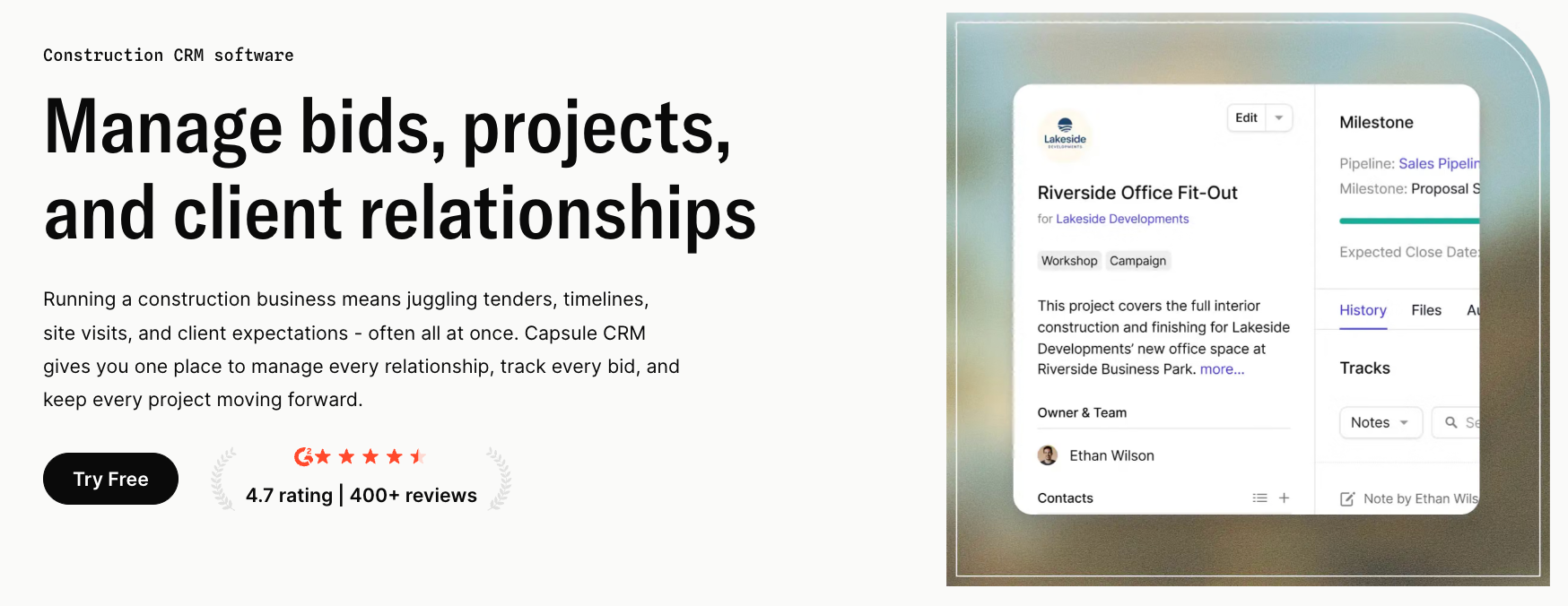
Capsule takes a narrower route than Buildertrend.
Instead of combining sales CRM with estimating, scheduling and jobsite operations, Capsule focuses on the relationship side of the business. Contractors can manage prospects, customers, subcontractors and suppliers while keeping bids and follow-ups tied to the right people.
A dedicated sales pipeline can track tenders from initial inquiry through site visits, quotes, and negotiation. Custom fields can hold information such as project value, location, work type or tender deadline.
Once the work is won, project management CRM keeps tasks, files and customer activity connected. Repeatable processes can also move into workflow automation, so the team isn't rebuilding the same follow-up sequence for every new opportunity.

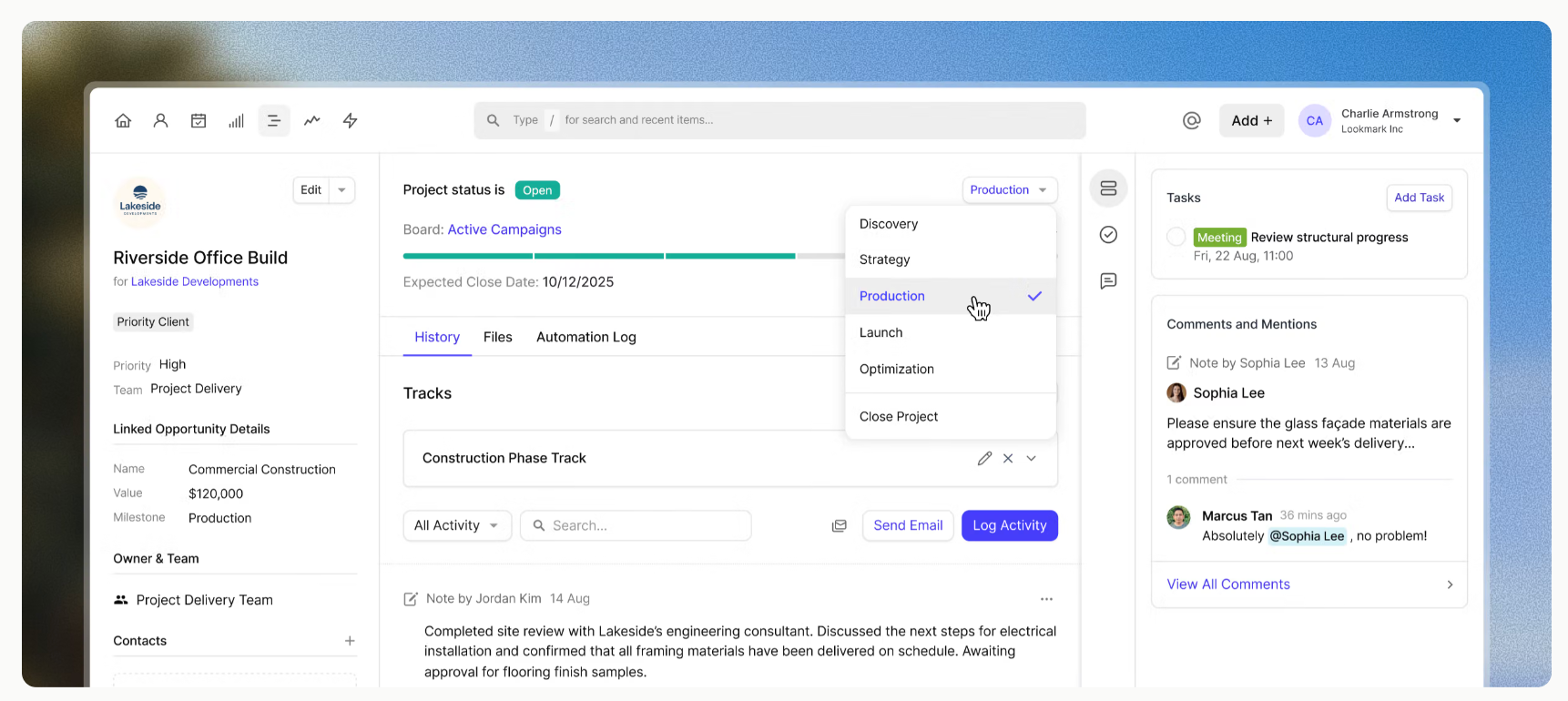
Capsule works best when the problem is winning work and keeping the customer journey organized.
It won't replace Buildertrend's takeoff, detailed estimating, job costing or construction scheduling, though. A contractor relying heavily on those workflows will need a construction-specific platform alongside or instead of CRM.
2. JobTread: best all-in-one alternative for growing contractors
Best for: Contractors that still want a broad construction platform but prefer a different setup from Buildertrend.

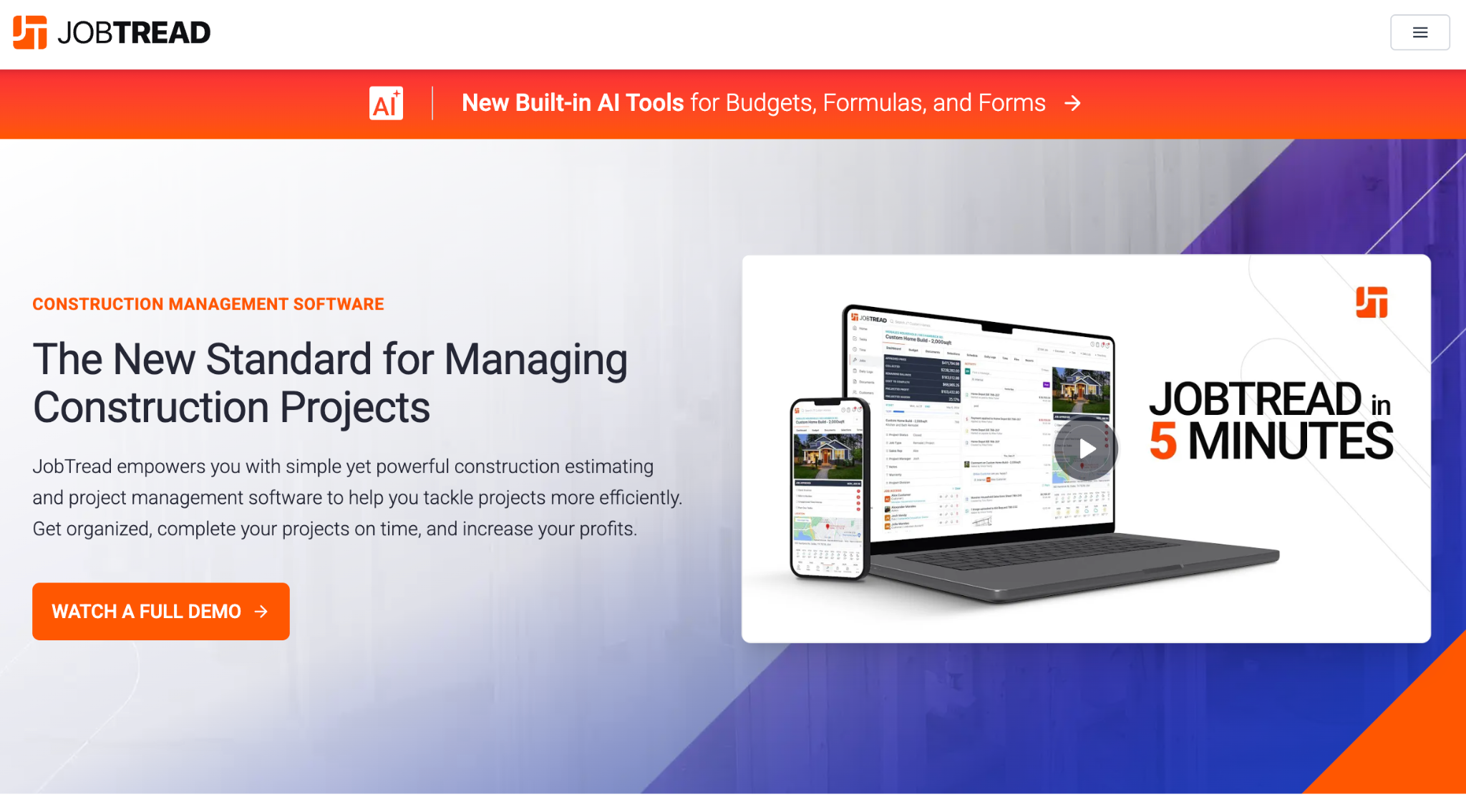
JobTread is one of the closest Buildertrend alternatives because it combines sales and operational workflows.
Teams can manage CRM, estimating, takeoff, contracts, esignatures, and bid requests before moving into scheduling, job costing, invoicing, and project delivery.
That makes JobTread more suitable than Capsule when simplification isn't the goal. A contractor may still want sales, projects and finances connected inside the same construction system.
The trade-off is the breadth itself. A team focused mainly on leads and customer management may end up maintaining features it rarely needs.
Some contractors can manage the post-sale side more lightly. A won opportunity can move into a project, tasks can be assigned and the customer history can remain connected. That's the model behind CRM-based project management.
3. Contractor Foreman: best for broad functionality on an SMB shortlist
Best for: Smaller contractors that want estimating, scheduling, and project controls in the same product.

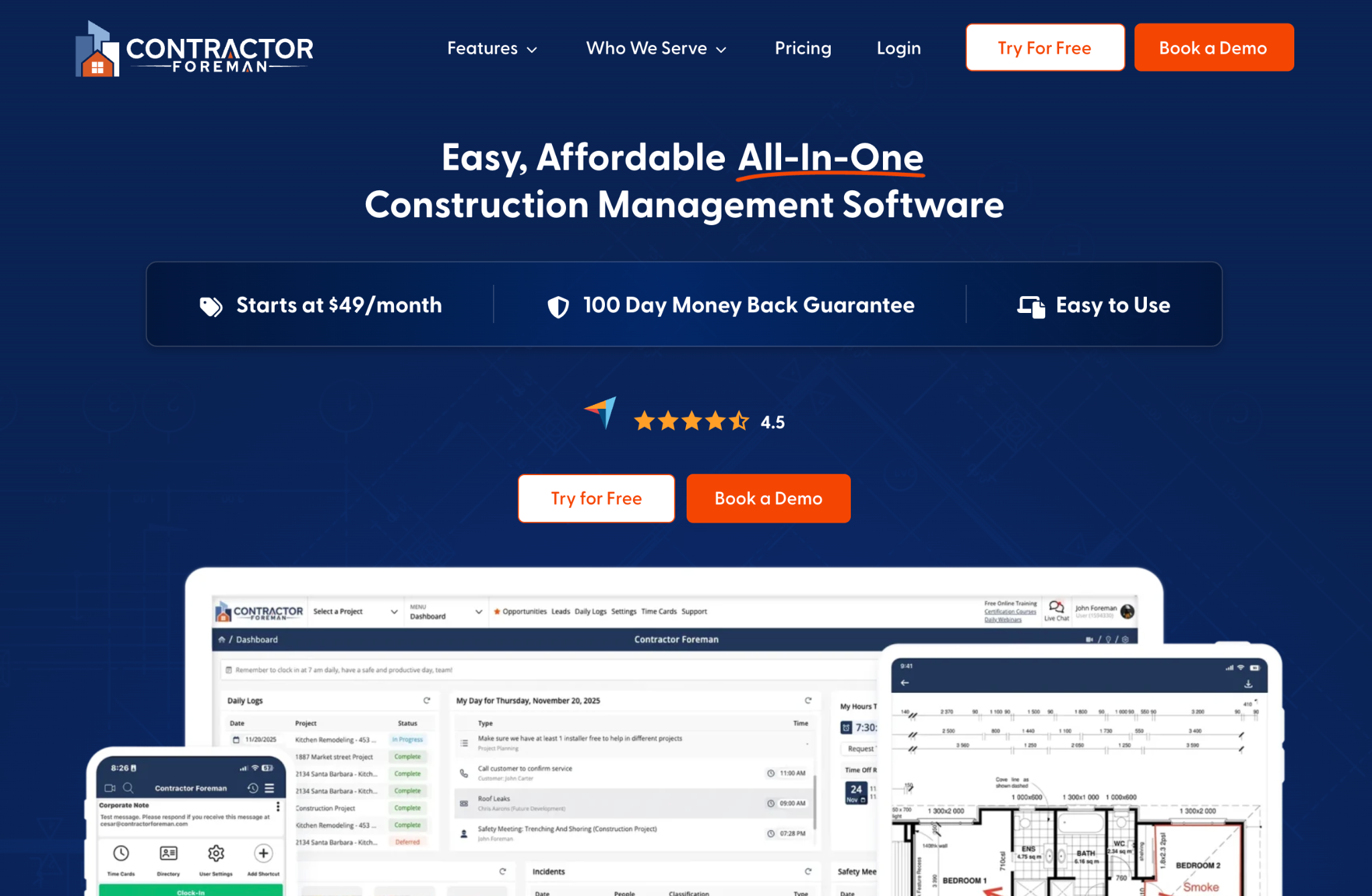
Contractor Foreman covers a wide section of the construction workflow. CRM sits alongside estimating, bid management, scheduling, daily logs, time cards, purchase orders and change orders.
In that respect, it's fairly close to Buildertrend.
It fits businesses that want sales and project delivery handled inside the same construction platform. The main question is how much specialist functionality the team will use.
Small contractors sometimes start by asking for everything in the same system when their biggest problem is much narrower. Missed bids or slow callbacks point to the sales process first.
Follow-up reminders often fail in small construction teams because nobody clearly owns the next step or the reminder lives outside the team's normal workflow. Fixing that process can be more valuable than adding another operational module.
4. JobNimbus: best for roofing and specialty contractors
Best for: Roofing businesses and specialty contractors that want sales and production connected.

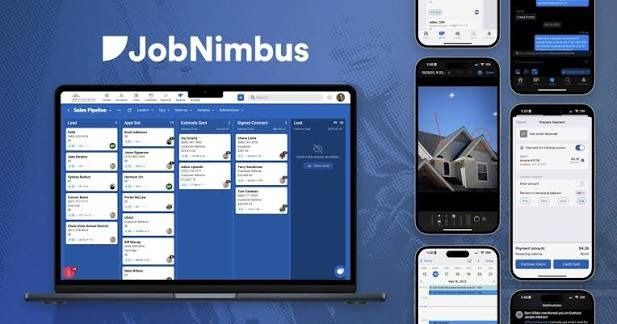
JobNimbus combines CRM with estimating, proposals, scheduling, job photos, production workflows, and payments.
Its roofing focus makes it especially relevant when jobs move through a repeatable path from lead to inspection, quote, production, and payment.
A custom home builder managing lengthy projects may prioritize a different kind of project structure. Roofing companies often handle a higher volume of similar jobs and need sales to connect closely with production.
JobNimbus fits that second model well.
Field access also becomes more important when work moves quickly between office and site. Customer records, notes, and deal information may be enough for some teams, in which case a mobile CRM can cover the basics. Crews that rely on production workflows, photos and site updates will usually get more from specialist contractor software.
5. Procore: best for large commercial construction operations
Best for: Larger contractors, owners, and construction teams managing complex projects and many stakeholders.


Procore isn't a simpler Buildertrend replacement. It moves further toward enterprise construction management.
The platform covers preconstruction, project execution, and cost management, making it better suited to contractors managing complex projects and substantial volumes of project data.
That depth can be valuable for commercial construction companies. A smaller contractor focused on missed leads, quote follow-ups or customer communication is usually solving a different problem.
A CRM for a small team keeps the focus on prospects, customers, and the sales pipeline rather than day-to-day construction delivery.
Procore is therefore most relevant when operational complexity is driving the software decision, while CRM-first tools suit businesses that primarily need better sales visibility and customer follow-up.
6. Fieldwire: best for jobsite and field coordination
Best for: Teams that need better access to plans, tasks, punch lists and site communication.

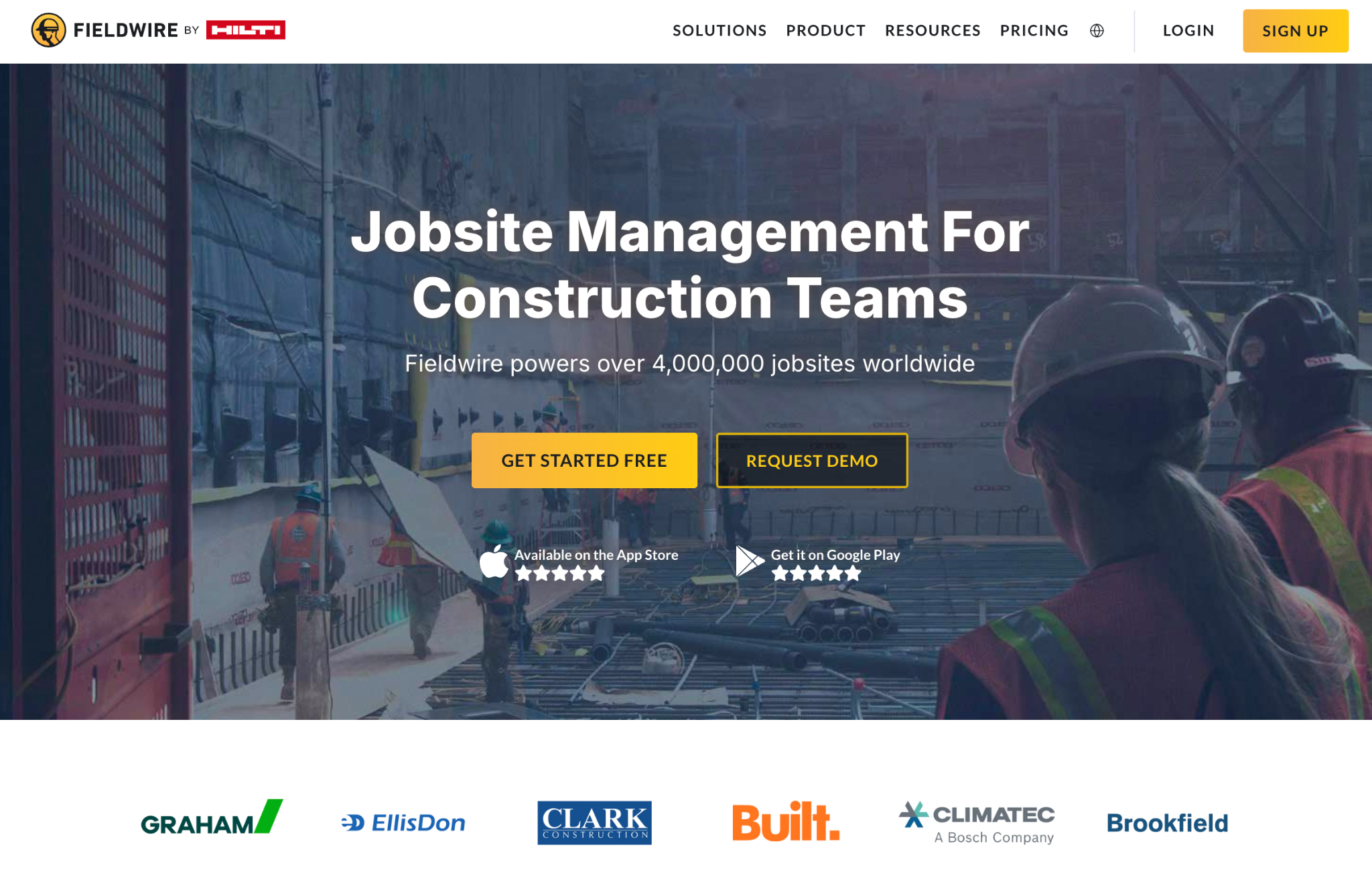
Fieldwire is built around field execution.
Its workflows cover plans, tasks, inspections, forms, and coordination between office and jobsite teams. Higher tiers extend further into project controls.
That makes Fieldwire a good Buildertrend alternative when field management is the main reason for changing software.
It isn't primarily designed to nurture leads or manage long sales processes before a project starts. Some businesses will pair field software with a separate CRM.
Such a split can work well. CRM manages prospects and customers, while field software handles delivery.
The tricky part is the transition from sale to job. Customer information and responsibilities need to move cleanly into delivery once the opportunity closes. Clear tasks and calendar management help keep that handoff organized.
7. Knowify: best for trade contractors focused on job profitability
Best for: Trade and specialty contractors that want project management closely connected to job costing and accounting.

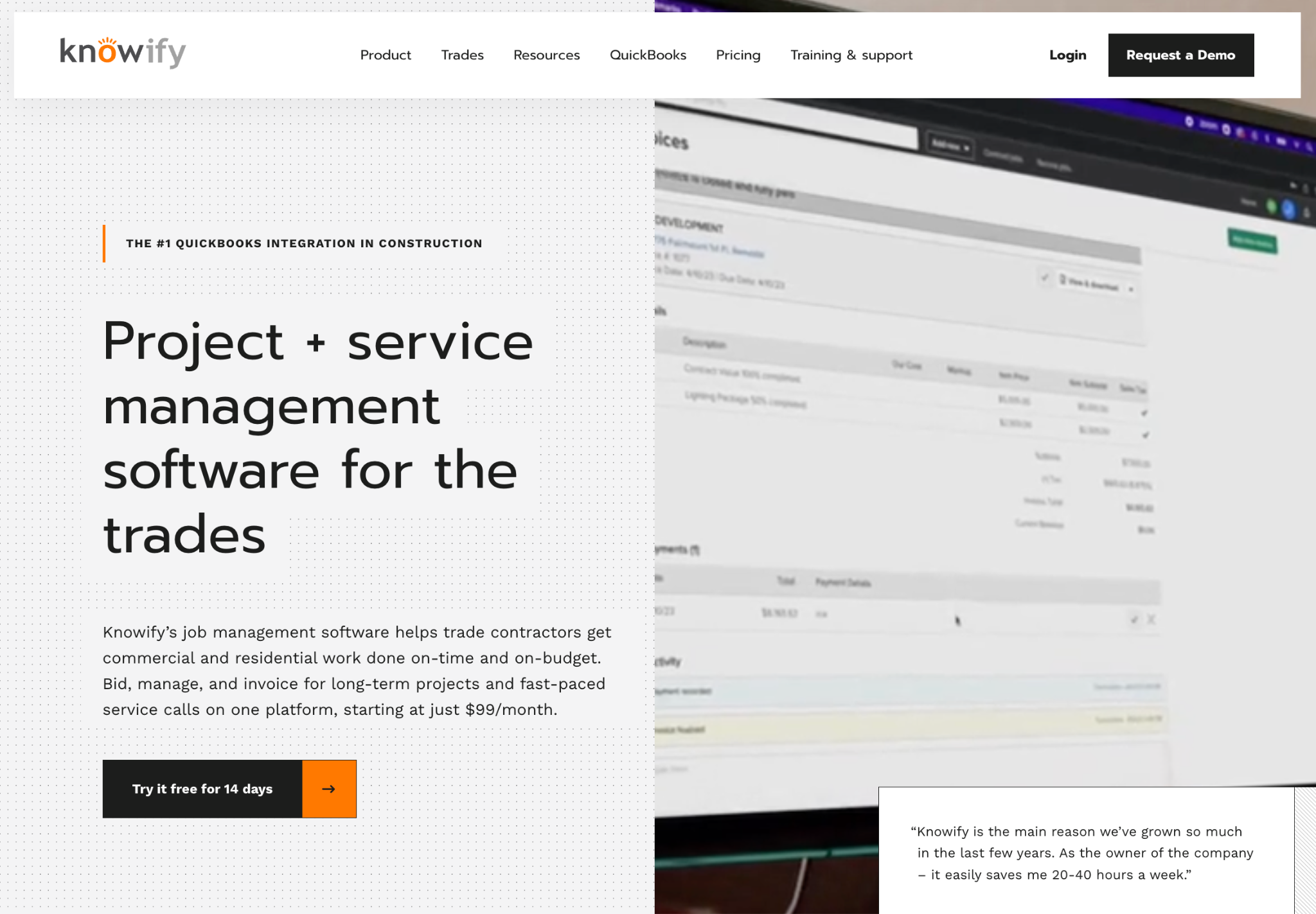
Knowify puts strong emphasis on the financial side of contracting.
Its platform covers estimating, proposals, change orders, schedules, project costs and invoicing. The product is also closely associated with QuickBooks workflows, which can appeal to trade contractors that want a clear view of job profitability.
That's a different reason to leave Buildertrend than looking for a simpler CRM.
A contractor can also split its software stack based on the job each system needs to perform. CRM manages leads and customer relationships. Specialist construction software handles delivery, while accounting remains focused on financial records.
Capsule supports that model through integrations. Xero connects directly with Capsule, while businesses using QuickBooks can compare different QuickBooks CRM integration options.
How to choose the right Buildertrend alternative
Separating sales problems from project problems can narrow the shortlist quickly.
Missed follow-ups call for clearer ownership and a stronger sales process. Cost overruns point toward estimating, scope, and delivery controls. Installing a new CRM won't solve construction cost overruns caused by weak project controls.
Delivery also becomes its own discipline once a bid turns into active work. Construction project management may require specialist scheduling, costing, or field tools, depending on how complex the projects become.
Is Capsule a good Buildertrend alternative?
Yes, when the business mainly needs the CRM side of Buildertrend.

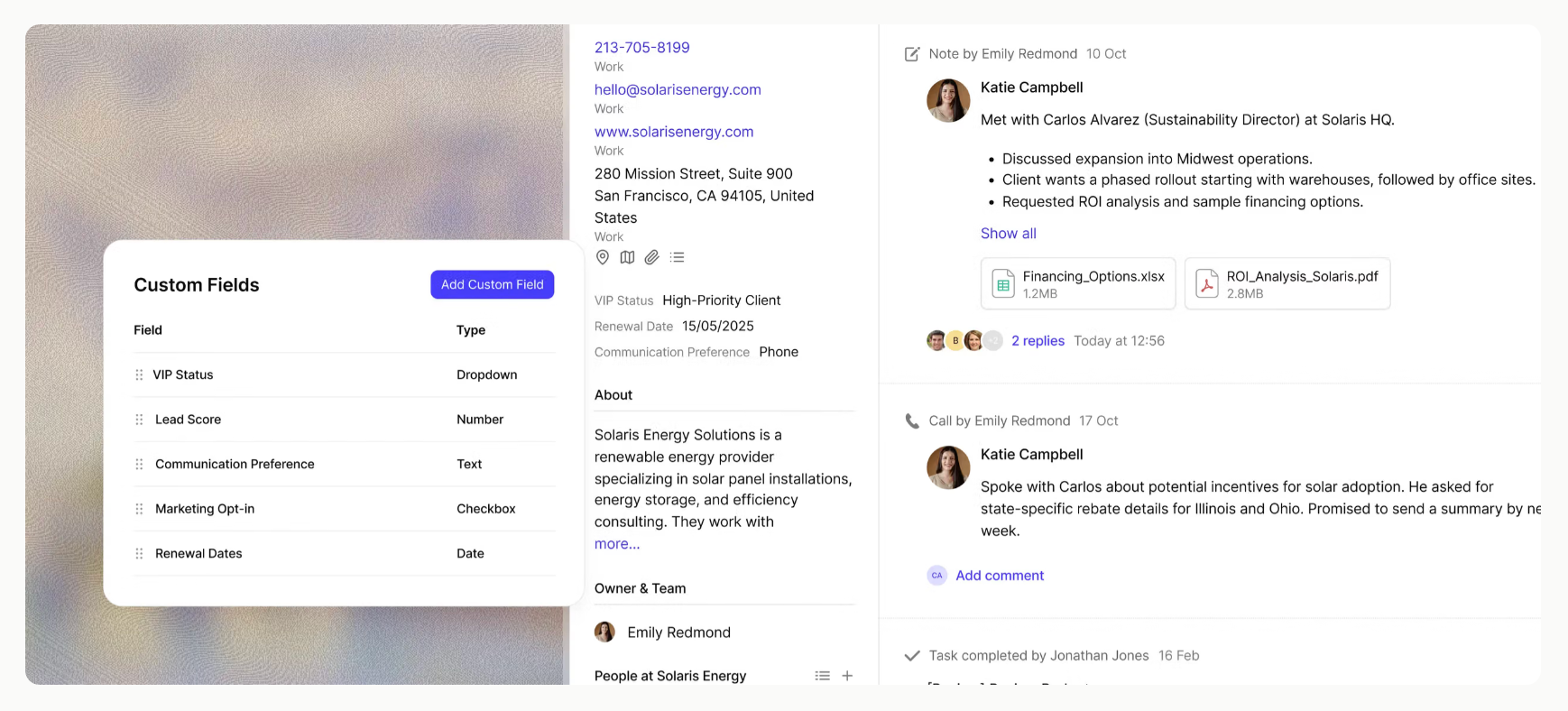
Capsule can manage leads, contacts, bids, reminders, customer history and lightweight project follow-through.
It isn't a like-for-like replacement for takeoff, estimating, job costing, detailed construction schedules, or specialist field workflows.
That difference is intentional.
If your team uses Buildertrend mainly to manage the customer journey and keep sales organized, a focused CRM can reduce complexity while keeping the commercial side structured.
Companies relying heavily on Buildertrend for estimates, schedules and project controls will need those capabilities elsewhere.
Choose based on the part of Buildertrend you use most
Buildertrend makes sense when a contractor wants sales and project delivery connected inside a broad construction platform.
Not every business needs that scope.
If leads, bids, and customer follow-up are where the process starts breaking down, our construction CRM gives that part of the business more structure.
Frequently Asked Questions
The best option depends on the part of Buildertrend you want to replace. Capsule suits CRM-first construction businesses, while JobTread and Contractor Foreman are closer all-in-one alternatives. JobNimbus focuses strongly on roofing and specialty contractors, while Procore fits larger construction operations.
Capsule can replace the CRM side of Buildertrend when a construction business needs contact management, bid tracking, follow-up and a clear sales pipeline. Specialist construction functions such as estimating, job costing and detailed field management would still need another system.
Buildertrend includes CRM features such as lead management and customer tracking, but the platform extends far beyond CRM. It also covers construction project management, scheduling, estimating and financial workflows.
Yes. Capsule is simpler when the main requirements are customer management, bid tracking, sales pipelines, tasks, and lightweight project management. It doesn't include Buildertrend's specialist takeoff, job costing, or detailed construction scheduling tools.